
AFRICA SUSTAINABLE FUTURES AWARDS SHORTLISTS
Access to Energy
Bangweulu
The Bangweulu Power Plant is helping diversify Zambia’s electricity supply by providing large-scale solar generation to reduce dependence on hydropower and costly diesel generation. As the country’s first utility-scale solar photovoltaic plant, the 54MW facility delivers around 87GWh of clean electricity annually under a 25-year power purchase agreement with ZESCO. The project supplies reliable power to approximately 82,500 households and businesses while demonstrating a competitive procurement model that has since been replicated elsewhere. Bangweulu combines affordable renewable energy with local skills development, job creation and a proven framework for future solar investment across the region.
CrossBoundary Energy
CrossBoundary Energy is demonstrating that renewable energy can power heavy industry through one of Africa’s first solar and battery baseload projects. Developed for the Kamoa-Kakula copper mine in the Democratic Republic of the Congo, the project combines 233MWp of solar generation with 526MWh of battery storage to deliver 30MW of guaranteed, dispatchable renewable power around the clock. Financed under a long-term power purchase agreement, it enables the mine to access reliable low-carbon electricity without upfront investment. The project is expected to reduce diesel consumption, cut emissions, create thousands of jobs and provide a blueprint for industrial decarbonisation across Africa.
Lean Energy
Lean Energy Solutions is helping manufacturers across East Africa decarbonise by replacing fossil-fuel boilers with biomass-powered steam supplied through an innovative Build-Own-Operate model. Rather than investing in energy infrastructure, industrial customers simply pay for the steam they consume, while Lean Energy finances, owns and operates the systems using agricultural waste as fuel. The company has deployed more than 80–90 tonnes per hour of steam capacity across Kenya, Uganda and Tanzania, avoiding an estimated 350,000 tonnes of CO₂ emissions and delivering energy cost savings of 25–30 per cent. Its circular economy model strengthens local biomass supply chains while making industrial decarbonisation commercially viable.
M'Balik
M'Balik is expanding access to clean, off-grid electricity in Madagascar by combining solar home systems with the nationwide reach of Yas Madagascar’s mobile network and MVola mobile money platform. Its pay-as-you-go model removes the barrier of upfront cost, enabling households to purchase solar lighting and home systems through affordable instalments. In 2025 alone, more than 105,000 households gained first-time access to solar electricity, benefiting an estimated 470,000 people. By integrating energy access with digital financial services, M'Balik reduces dependence on kerosene, improves health and productivity, and demonstrates how telecommunications infrastructure can accelerate clean energy adoption at scale.
Salpha Energy
Salpha Energy is building a locally rooted clean energy ecosystem in Nigeria by combining solar product assembly, consumer finance and nationwide distribution. Its product range, from small solar lighting systems to larger home and business solutions, is supported by loan-to-own financing through microfinance partners, making clean energy affordable without exposing the company to consumer credit risk. Salpha has deployed more than 469,000 solar products, reaching over 2mn people while creating local manufacturing skills and green jobs. By integrating local assembly, aftersales support and financing, the company is strengthening Nigeria’s renewable energy value chain and expanding reliable electricity access.
Critical Infrastructure (non-Energy)
eShandi
eShandi is expanding financial inclusion across Africa through a digital financial infrastructure platform that combines AI-driven credit scoring, embedded finance and mobile-first delivery. Serving more than 1.5mn customers and over 100,000 SMEs, it enables underserved individuals and businesses to access responsible credit without traditional banking histories by using alternative data and machine learning. Integrated with mobile money, payroll systems and USSD, the platform has mobilised more than US$12.4mn in third-party capital while maintaining commercial viability. Ranked by the FT among Africa's Fastest Growing Companies, eShandi demonstrates how fintech can unlock economic opportunity at scale.
Heirs Insurance Group
Heirs Insurance Group is redefining insurance as digital protection infrastructure to expand financial inclusion in Nigeria. Combining a USSD platform, the SimpleLife app and Prince AI, Nigeria’s first multilingual generative AI insurance assistant, it enables affordable insurance access for underserved and low-income communities in multiple local languages. The group has reached more than 3mn people while building trust through rapid claims settlement, including a commitment to pay validated claims within 48 hours. By embedding insurance into digital and bancassurance channels, Heirs Insurance Group is increasing insurance penetration and creating a scalable, digitally native model for inclusive financial resilience.
Infraconnect
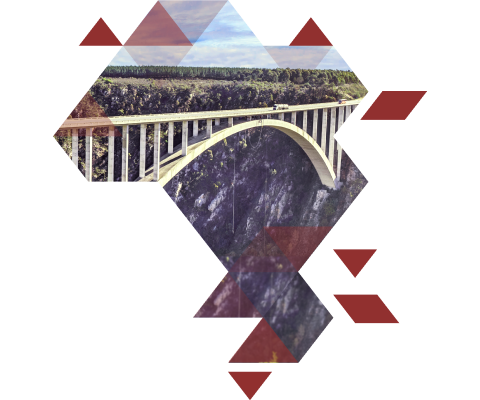
Infraconnect 15 and Infraconnect 18 are pioneering Kenya’s Roads Annuity Public-Private Partnership model, combining finance, design, construction and long-term maintenance under a single performance-based contract. The projects have upgraded and continue to maintain more than 80km of strategic roads across Central and Western Kenya, improving connectivity, safety and access to markets, schools and healthcare. Mobilising more than US$200mn in private investment, they demonstrate how lifecycle infrastructure management can deliver sustainable public assets while reducing pressure on government budgets. The model provides a proven blueprint for replicable road infrastructure investment across Africa.
Rigo Inc
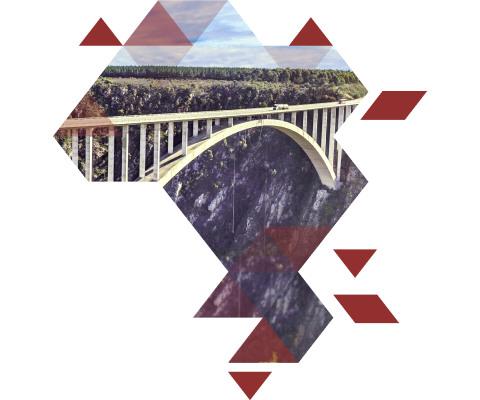
Rigo Incorporated is strengthening Nigeria’s healthcare system by combining healthcare-specific financing with digital technology. Its platform provides working capital, equipment finance, supply-chain finance and receivables financing for hospitals, pharmacies and medical suppliers while digitising claims management and payment processes. By using healthcare transaction data for underwriting, Rigo reduces lending risk and improves providers’ access to capital, helping expand healthcare capacity and improve patient access. The company has also mobilised significant investment into the sector through blended finance and strategic partnerships, creating a scalable financial ecosystem designed to support stronger, more resilient healthcare systems across Africa.
TowerCo of Africa
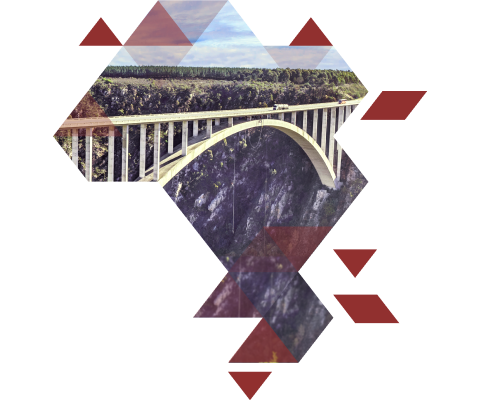
TowerCo of Africa is expanding mobile connectivity across Madagascar, Tanzania, Uganda and the DRC through a neutral infrastructure model that allows multiple operators to share telecommunications towers. By reducing the cost of network expansion, TOA makes underserved rural communities more commercially viable to connect. Its portfolio exceeds 3,700 towers, with 378 new sites built in 2025. TOA, a wholly owned subsidiary of Yas Group, combines digital inclusion with 99.7 per cent network uptime, biodiversity safeguards and responsible infrastructure development across its markets.
Agribusiness
Bôndy
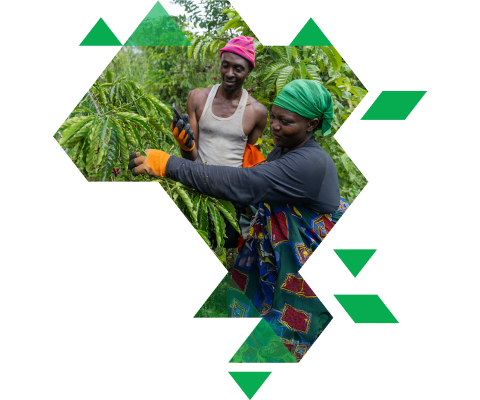
Bôndy is a Madagascar-based impact company that integrates ecosystem restoration, sustainable agricultural value chains and carbon finance into a single, proven operating model. The goal is to turn environmental protection into a driver of rural income and employment. The only B Corp-certified operator of its kind in the country, Bôndy has planted over 15 million trees across 8 regions since 2020 and built certified export value chains for coffee, raffia and honey. An AI-powered traceability platform gives buyers verified proof of origin and sustainability compliance. Revenue has grown from $56,000 to $4mn since 2020, entirely through earned income with no equity fundraising. Bôndy is now expanding across Sub-Saharan Africa, targeting the continent's most biodiverse and climate-vulnerable regions.
Drought Guard
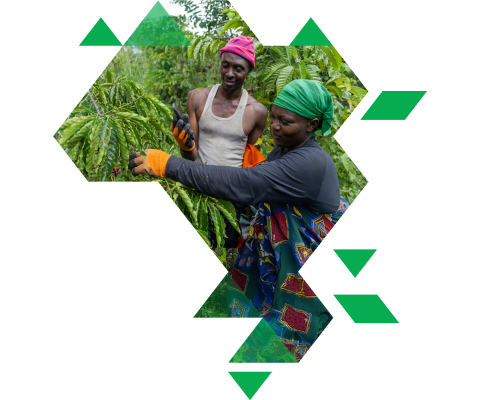
Drought Guard Africa helps smallholder farmers overcome climate vulnerability through an integrated model combining solar-powered irrigation, farmer training, market access and produce aggregation. Operating in Uganda, it enables year-round cultivation using affordable irrigation-as-a-service and pay-as-you-go models while connecting farmers directly to buyers. The initiative has reached more than 100,000 farmers, irrigated over 5,000 acres and generated productivity gains of up to 60% alongside household income increases of up to 45%. By linking renewable energy, agricultural support and inclusive financing, Drought Guard Africa is building climate resilience, strengthening rural economies and creating sustainable livelihoods for vulnerable farming communities.
Farmer Globale Agribusiness
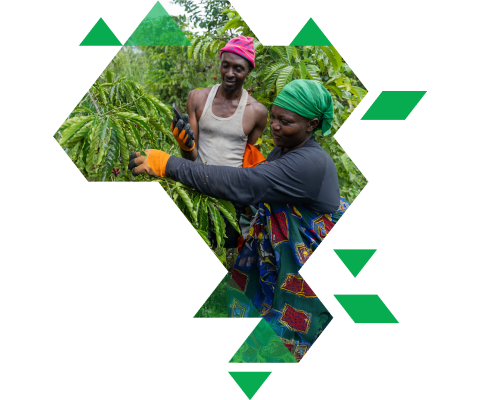
Farmer Globale is modernising Ghana’s rice sector through an integrated value-chain model centred on climate-smart Alternate Wetting and Drying (AWD) technology. The approach combines input finance, mechanisation, extension support, aggregation, processing and guaranteed market access while preparing smallholder farmers to benefit from carbon credit markets through reduced methane emissions. Working with more than 20,000 farmers, the company promotes higher productivity, lower water use and stronger rural incomes while marketing locally processed rice under FDA-certified brands. By linking climate action with commercial agriculture, Farmer Globale is creating a scalable model for food security, carbon finance and inclusive economic growth.
Keep IT Cool
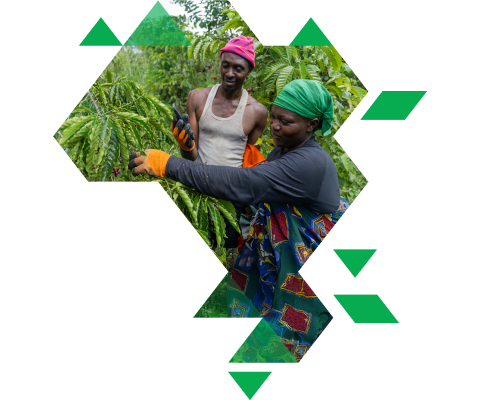
OKeep IT Cool is building East Africa’s leading climate-smart cold-chain platform, reducing post-harvest food losses while improving incomes for smallholder fishers and poultry farmers. Its integrated model combines solar-powered cold storage, refrigerated transport and the Markiti digital marketplace to connect producers directly with retailers. Operating across Kenya, Uganda and Tanzania, the company has improved more than 250,000 livelihoods, supported over 64,000 producers, prevented 302,000 tonnes of food loss and avoided more than 41,000 tonnes of CO₂ emissions. Recognised with the Earthshot Prize, Keep IT Cool demonstrates how clean technology can strengthen food security and sustainable agriculture.
Lersha
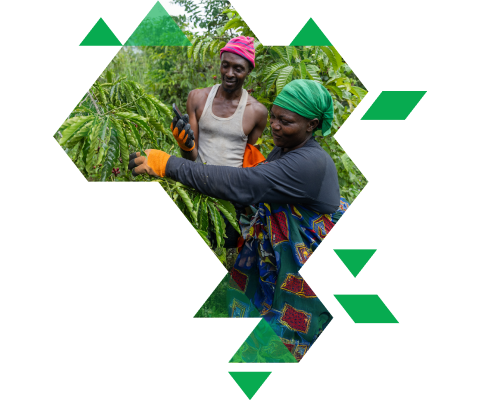
Lersha is transforming smallholder agriculture in Ethiopia, Kenya and Uganda through a digital ecosystem that integrates finance and market access. Its "phygital" model combines digital tools with a nationwide network of more than 4,000 rural youth agents, enabling farmers to access integrated services and non-cash financing backed by alternative credit scoring. Over 400,000 farmers have been digitally profiled, and 65,000 are now financed by eight institutions via a data-driven model linked to guaranteed off-takers and bundled with climate-smart advisory. These partnerships with banks and private-sector buyers have strengthened market access and repayment performance. Lersha is demonstrating how coordinated agricultural ecosystems can unlock investment and improve productivity, and aims to finance 1mn smallholder farmers by 2030.
Manufacturing Champions
Omnicane
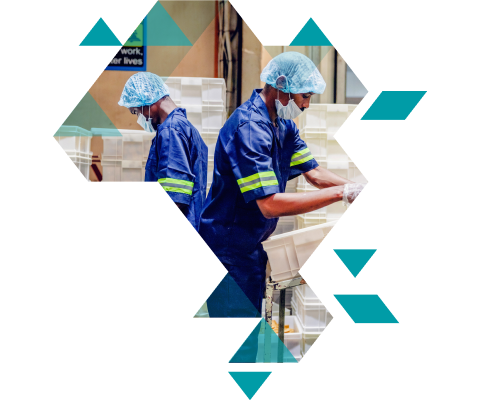
Omnicane’s pioneering state-of-the-art carbon burn-out unit annually transforms around 30,000 tons of coal ash from its Mauritian power plants into a valuable supplementary cementitious material for the local construction industry. Integrated within its agro-industrial cane cluster operations, the project reduces the residual carbon content of fly ash, producing a low-carbon cement additive while generating additional steam and electricity. Since operations began in 2017, this facility has processed over 250,000 tons of coal fly ash and helped avoid an estimated 31,000 tons of CO2e. Based on the circular economy model, the project diverts waste from landfilling, reduces reliance on imported cement, lowers embodied carbon and conserves foreign exchange. The facility has also created local jobs and demonstrates how an island economy can convert industrial by-products into commercially viable, environmentally sustainable manufacturing resources while simultaneously addressing waste-management, climate and supply chain challenges.
Roam Air
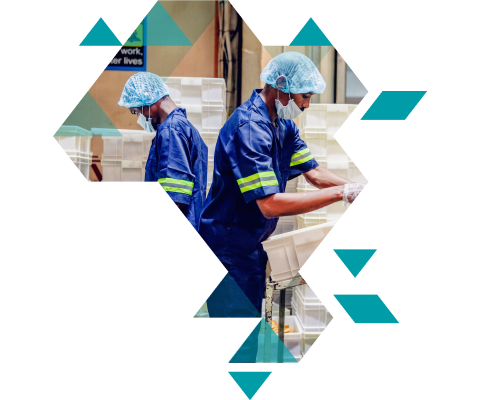
Roam is accelerating Africa’s transition to electric mobility through the Roam Air, an electric motorcycle designed and manufactured in Kenya for African conditions. Combining local production with charging infrastructure, flexible financing and after-sales support, the company has deployed more than 4,500 motorcycles while helping riders reduce fuel and maintenance costs by 60–70 per cent. The business has created more than 400 skilled jobs and supports thousands more across its value chain, while cutting urban emissions and improving livelihoods. Roam aims to scale electric mobility across East Africa, demonstrating how locally built clean transport can drive industrial growth and economic opportunity.
Sygen Pharmaceuticals
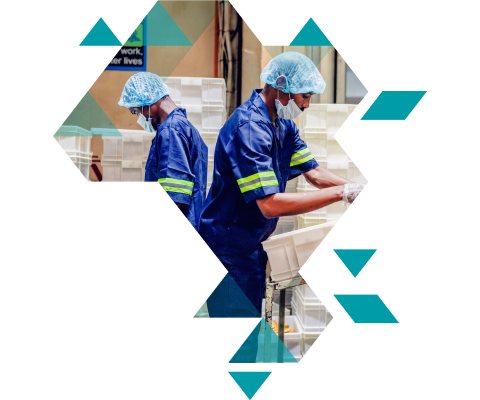
Sygen Pharmaceuticals is rebuilding Nigeria’s pharmaceutical manufacturing capacity by transforming the distressed assets of Nigerian-German Chemicals into one of the country’s largest indigenous drug production platforms. The company manufactures affordable medicines across multiple therapeutic categories, reducing reliance on imports while strengthening medicine security and local supply chains. Since 2020, the project has mobilised more than US$21mn in investment, created 990 direct jobs and supports an estimated 42,000 across its value chain. Environmental improvements include waste reduction, effluent treatment and a shift from diesel to cleaner energy sources. Sygen now aims to achieve WHO GMP certification and expand manufacturing and distribution across Africa. ed over 1,000 reservations from bus operators in Africa.
Innovation Showcase
Affinity Africa
Affinity Africa is expanding financial inclusion in Ghana through a fully digital banking platform designed around the needs of underserved individuals and small businesses. Rather than relying on traditional credit histories, the company uses behavioural data to help customers build financial identities, unlock responsible lending and grow their businesses over time. Since launching in 2024, Affinity has reached more than 140,000 customers, around two-thirds of whom are first-time users of formal financial services. By combining digital banking with a nationwide agent network, Affinity is creating a scalable model that links financial inclusion with entrepreneurship, job creation and long-term economic resilience.
Ecobarter
OEcobarter is transforming waste management in Nigeria through West Africa’s first locally manufactured reverse vending machines, enabling households to exchange plastic bottles and cans for instant digital rewards. Combined with a mobile platform offering doorstep collections, the system connects consumers, collectors, recyclers and manufacturers within a single circular economy network. Since launch, Ecobarter has recovered more than 100mn plastic bottles and recycled over 1.2mn kg of waste while creating 91 direct jobs and supporting hundreds more. By combining technology, financial incentives and community-based recycling, the company is making waste collection more accessible, rewarding and environmentally sustainable.
NovFeed
NovFeed is transforming agricultural waste into sustainable inputs for farming and aquaculture through biotechnology and microbial fermentation. Based in Tanzania, the company produces biofertilisers, biostimulants and protein-rich fish-feed ingredients from locally available organic waste, reducing dependence on imported fertilisers and conventional feed. Its products have reached more than 5,000 farmers, with field trials demonstrating crop yield increases of 30–60 per cent, while aquaculture trials recorded 30 per cent faster fish growth and feed-cost reductions of up to 40 per cent. NovFeed’s circular model combines waste reduction, regenerative agriculture and local manufacturing to strengthen African food systems.
Thalia Psychotherapy
Thalia Psychotherapy integrates mental health screening, treatment, referral and follow-up into existing healthcare and community systems across Africa. Using hospitals, clinics, schools, workplaces and digital channels, Thalia helps identify mental health needs earlier and connects people to appropriate care without creating a separate mental health system. Thalia has delivered millions of screenings, reached more than 1mn users, and supported thousands of healthcare professionals. The company is also developing public-private, results-based financing models to help governments expand mental healthcare while attracting long-term capital for scale.
Zerobionic
Zerobionic is making STEM education more accessible for deaf learners through Africa’s first offline AI-powered humanoid robots that translate lessons into sign language in real time. Designed for schools without reliable electricity or internet, the locally manufactured, solar-powered robots are built from recycled plastic, combining inclusive education with circular manufacturing. Deployed across Kenya, Namibia, Ethiopia and Rwanda, the technology has reached more than 510,000 deaf learners while training teachers in inclusive STEM education and creating green jobs for young people. Zerobionic demonstrates how African-designed robotics can expand educational opportunity while tackling waste and digital exclusion.